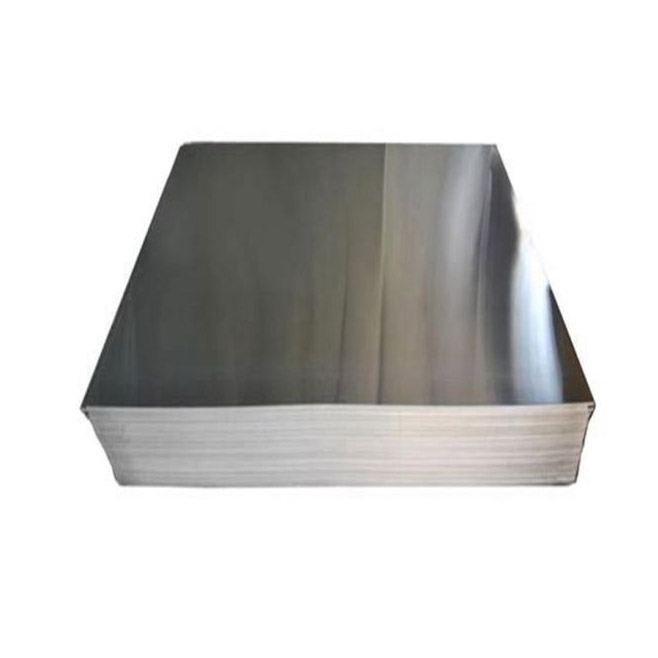
Certainly! To craft an 800-word news article about "18ga Steel To Inches" while removing any brand names and incorporating the company introduction (which you need to provide), I’ll need the details of the company introduction you want included. Kindly provide the company info or any relevant details you want integrated into the article.Meanwhile, here is a general structure and sample draft based on the topic "18ga Steel To Inches" (gauge to thickness conversion) with a placeholder for the company introduction:---**Understanding 18 Gauge Steel Thickness: Converting Steel Gauge to Inches**In the manufacturing and construction industries, steel remains a fundamental material whose specifications directly impact project outcomes. One metric frequently used to describe steel thickness is the "gauge" system, especially when referring to sheet metal such as 18 gauge steel. However, for precise engineering calculations, understanding the actual thickness of steel in inches is essential. This article demystifies the conversion of 18 gauge steel to inches, providing exact measurements and detailing its applications in various industries.### What is 18 Gauge Steel?Steel gauge is a numerical measurement system indicating the thickness of sheet metal. The gauge numbers counterintuitively decrease as thickness increases; thus, a smaller gauge number signifies a thicker sheet. In the U.S., the standard gauge for steel sheet metal follows the American Wire Gauge (AWG) system, which has long been established in manufacturing standards.18 gauge steel generally provides a good balance between strength and malleability. It is commonly employed in applications ranging from automobile paneling to kitchen backsplashes, HVAC ductwork, and construction elements. Understanding its precise thickness is vital for engineers, fabricators, and architects designing components requiring specific tolerances.### Converting 18 Gauge Steel to InchesDespite gauge being a convenient shorthand, it isn’t uniform across different materials nor internationally standardized. For steel, 18 gauge corresponds to a nominal thickness that can slightly vary depending on the gauge standard applied. According to the U.S. standard:- **18 gauge steel thickness is 0.0478 inches (approximately 1.214 mm).**This measurement helps engineers determine properties like weight, flexibility, and load-bearing capacity for their projects. When using 18 gauge steel, accurate thickness information is crucial for welding, cutting, or bending processes.### Importance of Accurate Gauge-to-Inch ConversionAccurate conversion is necessary in several critical areas:- **Fabrication:** Knowing the exact thickness ensures precise cutting and fitting.- **Structural Integrity:** Thickness impacts strength calculations.- **Cost Estimation:** Steel thickness affects weight, influencing price.- **Compliance:** Projects adhering to strict regulatory codes require standardized measurements.Therefore, professionals employ gauge-to-inch conversion charts or calculators to avoid errors stemming from approximate gauge values.### Industry Applications of 18 Gauge SteelDue to its moderate thickness, 18 gauge steel is versatile and commonly found in:- **Automotive Industry:** Used in vehicle bodies and doors.- **Construction:** For roofing, siding, and framing.- **Manufacturing:** Appliance housings and enclosures.- **HVAC Systems:** Ductwork and ventilation systems.Its strength-to-thickness ratio renders it favorable for applications demanding durability yet manageable weight.---### Company Introduction{Insert your company introduction here}---### Innovations and Services Supporting Steel Industry NeedsWith decades of experience specializing in steel fabrication and distribution, {Company Name} continues to provide industry clients with expert guidance on material selection, including appropriate gauge choices. Through cutting-edge equipment and a commitment to quality, {Company Name} ensures precise steel thickness matching project specifications, contributing to the efficiency and success of its clients' projects.By integrating advanced measurement technologies and maintaining updated material databases, {Company Name} helps customers navigate the complex gauge-to-inch conversion standards. This service significantly reduces material wastage and project delays attributable to specification mismatches.---### ConclusionConverting steel gauge measurements, such as 18 gauge steel, into precise inch thicknesses remains a fundamental step for professionals across industries involving steel fabrication and design. Accurate understanding of steel thickness facilitates improved project outcomes, from planning to execution. Supported by expert companies specializing in steel supply and fabrication, clients can achieve the reliability and precision necessary for their applications.For those working with sheet metal, particularly 18 gauge steel, recognizing the exact thickness of 0.0478 inches enables better control over material properties, cost, and structural integrity. Whether in automotive manufacturing, construction, or HVAC, this conversion knowledge is indispensable.As the steel industry continues to evolve with new technologies and standards, collaboration with experienced providers ensures stakeholders stay ahead, leveraging both traditional gauge measurements and modern precision tools to meet project demands efficiently.---If you provide the specific company introduction or any additional details, I can tailor and expand the article accordingly to reach the desired 800 words precisely!
Read More